Internet for Japan and South Korea: one eSIM or several?

Key facts
- One VoaSim eSIM covers the Japan + South Korea route: enter both countries in the simulator and the right regional product is issued.
- Pricing is by duration, not destination: 10 days USD 30.90, 15 days USD 42.90, with truly unlimited data and no throttling.
- Days start at first connection at the destination, so install at home and keep the eSIM line off until you land.
- In Japan the eSIM uses networks like NTT Docomo, SoftBank and KDDI au, with signal on the Shinkansen and in most subways.
- Download Naver Map or KakaoMap before arriving in Korea, since Google Maps navigation is limited there.
See the exact price for your dates
Tokyo one week, Seoul the next: it is one of the most popular two-country routes in Asia, and the first question is always the same. Do you buy one eSIM for Japan, another for Korea, and juggle QR codes at Incheon airport?
The short answer is no. With VoaSim you enter both countries in the price simulator, and the system issues the regional product that covers the full route. Data is truly unlimited, with no cap, no speed throttling and no hidden fair-use clause.
One eSIM for the whole route, not one per country
VoaSim covers 170 destinations, Japan and South Korea included. You do not pick a "Japan plan" and then a "Korea plan": you type your countries and dates into the simulator and the right regional product comes out, valid for the entire trip.
That matters for three practical reasons:
- One install. One QR code, one profile in your phone, done before you leave home.
- One price. VoaSim charges by duration, not by destination, so adding Korea to a Japan trip does not add cost.
- No switching at the airport. When you land at Incheon or Gimpo after Haneda, the eSIM connects to a local network automatically.
For comparison, a Europe trip works the same way: a single Europe eSIM covers 50 countries. Outside Europe, the simulator builds the regional coverage around the countries you enter. See the full list on the eSIM page.
Price for a typical Japan + Korea trip
Most travelers split this route over 10 to 15 days: roughly a week in Japan (Tokyo, Kyoto, Osaka) and four or five days in Seoul. Prices are the same for every destination and already include today's 15% promo.
| Duration | Price | Per day |
|---|---|---|
| 5 days | USD 18.90 | USD 3.78 |
| 7 days | USD 23.90 | USD 3.41 |
| 10 days | USD 30.90 | USD 3.09 |
| 15 days | USD 42.90 | USD 2.86 |
| 30 days | USD 61.90 | USD 2.06 |
| 60 days | USD 106.90 | USD 1.78 |
Trips of 1 to 4 days pay the 5-day package, and a single eSIM runs up to 90 days. Traveling as a couple? A second eSIM in the same order gets 10% extra off. Payment is by international credit or debit card in USD through Stripe, with the invoice emailed to you.
Coverage in Japan and in Korea
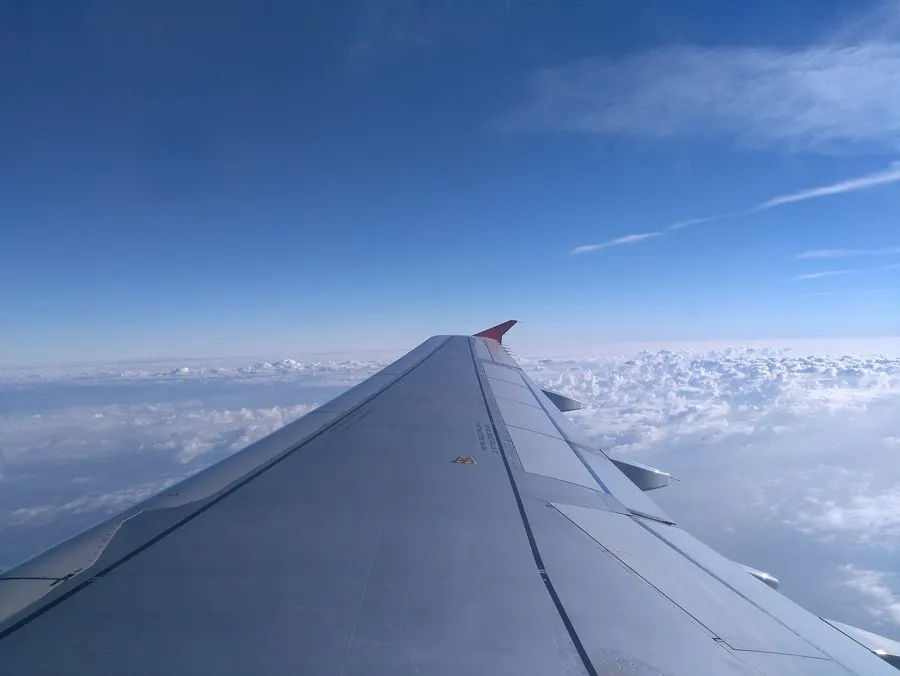
In Japan your phone connects automatically to local networks such as NTT Docomo, SoftBank and KDDI au. Japanese coverage is among the best anywhere: strong signal in Tokyo, Osaka, Kyoto, Hiroshima and Sapporo, and usable service inside the subway and on the Shinkansen. You get 4G everywhere and 5G where the local network provides it, so we do not promise a specific technology.
In South Korea the eSIM does the same thing on local networks: Seoul, Busan, Jeju and the KTX corridor. Nothing to configure at the border, because there is no physical border to cross here. You fly, you land, you turn your phone off airplane mode.
Worth knowing: the plan is data only. There is no phone number and no traditional voice calls, but WhatsApp, Telegram, FaceTime audio, Google Maps and Naver Map all run over data. Your physical SIM and your usual number stay active in the phone.
Today's prices
Today's promo prices (15% off), the same for every destination. Second eSIM in the same order: 10% extra off. Trips of 1-4 days use the 5-day package.
Before you fly: install, then keep it off
The QR code arrives by email within minutes of purchase, with a heads-up on WhatsApp if you left a number at checkout. Install the eSIM at home, on Wi-Fi, while you still have support in your time zone.
- Check compatibility: iPhone XR or newer, Galaxy S20 or newer, Pixel 3 or newer, and most phones from 2020 on. Universal test: dial *#06# and look for an EID.
- Make sure the phone is carrier-unlocked. VoaSim does not sell physical SIM cards.
- Scan the QR code and add the profile, but leave the VoaSim line switched off until you land. On Android, do not enable the eSIM's data before the trip.
- On landing at Haneda, Narita, Kansai or Incheon, turn the eSIM line on and turn off data roaming on your home carrier.
Your days start counting at the eSIM's first connection to a network at the destination, not at purchase. Full steps in the install guides.
Offline maps and apps that behave differently in Asia
Unlimited data means you can stream maps all day, but two habits still save you grief on this route.
- Download offline maps for Tokyo, Kyoto and Seoul before you go. Underground stations, temple grounds and mountain areas can drop signal for a minute, and an offline map keeps walking directions alive.
- Korea is a special case for navigation. Google Maps driving and walking directions are limited there by local mapping rules; most travelers install Naver Map or KakaoMap. Download them before departure so you are not fighting an app store on arrival.
- Japan transit works well in Google Maps, and IC card apps, JR reservation sites and translation apps all run fine on data.
Tethering is not something we promise: it depends on the plan, so ask support before you count on sharing the connection with a laptop or a travel companion.
When another option might suit you better
We would rather you buy the right thing than the wrong thing.
- You barely use data. If you only check messages on hotel Wi-Fi, a small GB package from a by-the-gigabyte brand such as Airalo, Nomad, Ubigi or Saily may cost less. Check the cap, validity and tethering rules in their terms.
- Your carrier bundles travel data. T-Mobile, AT&T, Verizon, EE, Vodafone and Google Fi all offer international options, usually with a daily allowance and slower speeds afterwards. Rates and countries change, so check the current terms in your carrier's app before you leave. More context on our roaming page.
- You need a local phone number for a Korean delivery app or a Japanese restaurant booking line. A local physical SIM does that, at the cost of shop time, passport registration and pulling your own SIM out.
If you want heavy, constant data on both legs without counting gigabytes, unlimited is the simpler math. Compare approaches on our comparison page.
Why trust VoaSim?
Registered company with an invoice on every purchase, USD payment via Stripe with no hidden fees, human support and a guarantee: if the eSIM will not connect and support cannot fix it, you get 100% back.